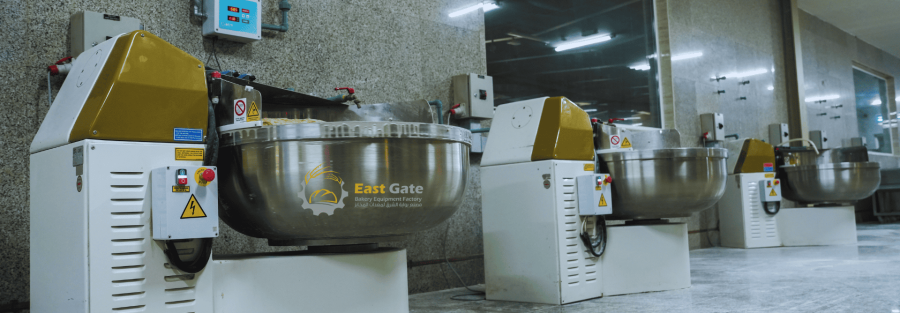
A fork mixer is a specialized dough mixer designed for gentle, efficient mixing of bread, pastry and other doughs. Unlike spiral or planetary mixers, it uses fork-shaped agitators that move in a unique pattern to knead dough without generating excessive heat. This ensures the dough retains its elasticity, structure, and flavor, making fork mixers ideal for delicate recipes like croissants, brioche and artisan bread.
Choosing the right mixer can make all the difference in a bakery. Among the variety of dough mixers available, the fork mixer stands out for its gentle mixing action, superior dough aeration and ability to handle delicate recipes. Before investing in one, it is essential to understand the features that define its performance, reliability and suitability for your bakery.
- The first consideration is the mixer’s capacity the maximum amount of dough it can handle per batch. Fork mixers range from small 10–20 kg units for boutique bakeries to large 100+ kg machines for commercial production. Choosing the right size ensures consistent results without overloading the machine.
- A quality fork mixer offers variable speed settings. Gentle mixing is crucial for delicate doughs like brioche, croissants or laminated pastries, where overmixing can damage gluten structure. Adjustable speeds let bakers fine-tune the process for different recipes.
- The characteristic fork-shaped agitators define this mixer type, with key features such as dual or triple fork arms for uniform mixing, counter-rotating forks to prevent dough from sticking, and adjustable fork positions for different bowl sizes, all of which ensure thorough mixing while minimizing heat buildup and preserving the dough’s elasticity and flavor.
- Material and construction determine a mixer’s lifespan. Stainless steel bowls and forks resist corrosion, while a robust motor handles heavy loads. Reinforced gears and high-quality bearings reduce maintenance costs and downtime.
- Hygiene is vital. Choose a mixer that allows easy disassembly of bowls and forks. Smooth surfaces, removable parts, and accessible corners make cleaning fast and effective.
- Modern fork mixers come with essential safety features, including automatic shut-off when the lid is opened, emergency stop buttons and overload protection for the motor, all designed to protect both the operator and the equipment.
- Optional features like dough scrapers, timers, or programmable sequences can improve productivity and consistency, especially in high-volume bakeries.
- A mixer that consumes less power without compromising performance saves energy and reduces costs. Efficient designs also prevent heat buildup that could affect sensitive doughs.
Understanding the features that impact dough quality, durability and operational efficiency helps you choose the right fork mixer for your bakery. A well‑chosen fork mixer ensures every loaf, pastry or artisan bread meets your standards consistently. The Fork Mixer from East Gate Bakery Equipment Factory in Abu Dhabi is designed for high‑quality dough mixing especially for Arabic Bread and pita using innovative technology that minimizes heat buildup, features a robust stainless‑steel bowl and alloy mixing tools and offers energy‑efficient operation with multiple speed options. Whether you are producing bread, pizza crusts or other doughs, our professional‑grade bakery machines combines performance, safety and longevity to uplift your bakery operations. For more info visit our website www.eastgatefactory.ae